
The Florida Trailer Struggle
Living in the Sunshine State is a dream for most. We’ve got year-round boating, booming contractor businesses, and absolutely no snow to shovel. But let’s be honest while we love the weather, it is an absolute nightmare for our hauling equipment.
Between the salty ocean breeze rolling off the coast, the scorching 90-degree summer days, and that inescapable 100% humidity, rust and sun rot are public enemies number one and two. Whether you’re hauling a center console down to the Keys for the weekend or running a heavy-duty landscaping crew right here in central Florida, a trailer is a massive investment that needs serious protection.
At AT Trailer Center, we know the struggle because we live, work, and tow right here in Florida alongside you. That’s why we’ve put together this definitive, no-nonsense guide to keeping your rig looking and performing like it just rolled off our lot.

The Invisible Enemy: Battling Saltwater and Coastal Air
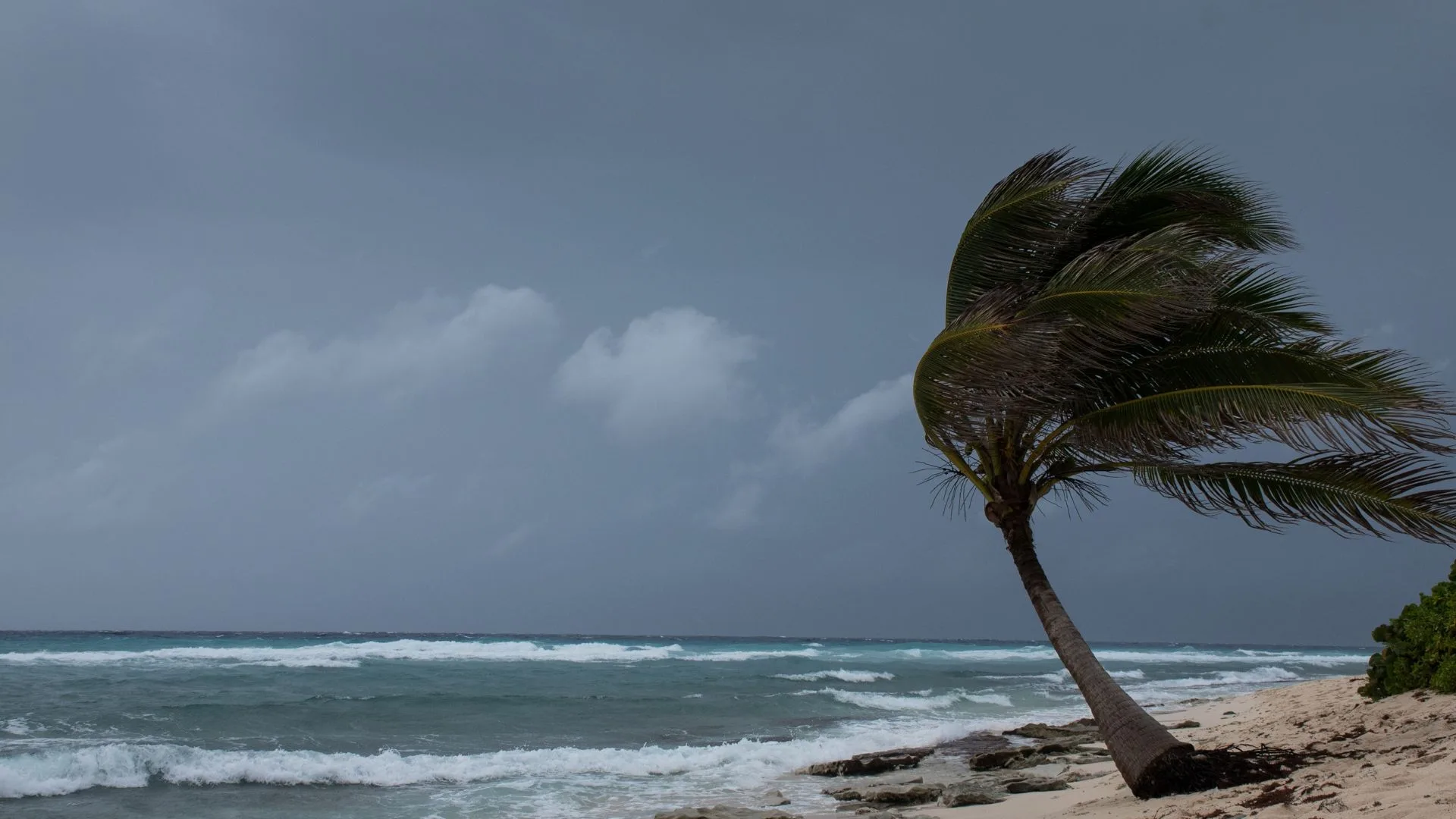
You don’t even need to back your trailer down a boat ramp into the Gulf or the Atlantic to suffer from salt damage. Here in Florida, the humid coastal breeze can carry corrosive salt miles inland, silently eating away at your trailer's frame while it just sits in your driveway or lot.
The science behind [how coastal air accelerates metal corrosion] is exactly why Florida trailers age faster than those in landlocked states.
The Post-Trip Wash Down (The Right Way) If you think a quick spray with the garden hose is enough after a long haul, think again. Fresh water alone won't remove the sticky salt residue binding to your steel. We highly recommend using a dedicated salt-eliminating wash or spray (like Salt-Away) that actively breaks down the sodium deposits before they have a chance to pit your metal. Make it a strict habit to thoroughly flush the undercarriage, the axles, and the leaf springs after every coastal trip.
Protecting the Lifeline: Electrical & Wiring Saltwater and exposed wiring are a recipe for disaster. There is nothing worse than dealing with flickering trailer lights while flying down I-4 or I-95 at dusk. To prevent the coastal air from destroying your connections, make dielectric grease your best friend. Liberally coat all your plugs, wire harness connections, and light bulb housings to seal out the salty humidity.
Need a hand? If your lights are already acting up and you're tired of chasing electrical gremlins, it might be time for an upgrade. Stop by the service department at AT Trailer Center. Our technicians can outfit your rig with fully sealed, marine-grade LED lighting setups that are purpose-built to survive Florida’s harsh, wet environment.
Aquí tienes las secciones III y IV de nuestro artículo. He mantenido la energía, el enfoque local con referencias a las carreteras y el clima floridano (como las clásicas tormentas de las 3 PM), y he continuado con la misma estrategia de enlaces y CTAs orgánicos.
Sun and Heat: Saving Your Tires and Paint from the Oven
It’s no secret that the Florida sun is brutal. But while you’re out on the water or the job site wearing SPF 50, your trailer is sitting in the driveway taking the full brunt of those intense UV rays day in and day out.
The Tire Assassin: UV Rays Ever wonder why you see so many blown-out trailer tires on the shoulder of the Florida Turnpike or I-75 in the middle of July? It’s rarely just about the miles driven; it’s about dry rot. The intense UV rays bake the rubber, causing it to crack and weaken long before the tread actually wears out.
Understanding [how UV rays cause tire dry rot] is the first step to preventing a dangerous blowout on the highway.
Actionable Tip: If your trailer sits outside for weeks between jobs or trips, invest in a set of UV-blocking tire covers. When treating your tires to make them shine, avoid cheap, silicone-based sprays that can actually dry out the rubber faster over time. Stick to high-quality, water-based UV protectants.
Paint and Finish Care Your truck isn't the only thing that needs a good coat of wax. Enclosed cargo trailers, in particular, are prone to sun bleaching and "chalking"—where the paint breaks down into a dull, powdery residue. Applying a ceramic coating or a heavy-duty marine wax every six to eight months creates a protective barrier that keeps your rig looking professional and protects its resale value.
Worried about your tires? Don't let a blowout ruin your workday or your weekend. If you’re noticing fine cracks in your trailer's sidewalls or just aren't sure how old your rubber is, bring it by AT Trailer Center. We stock a massive selection of premium, heat-resistant trailer tires and can swap them out fast so you can haul with total confidence.
Florida’s Wildcard: Humidity and Hurricane Season Prep
You know the drill: it’s a scorching 95 degrees at 2:00 PM, and by 3:00 PM, the sky opens up for a torrential summer thunderstorm. This rapid swing in weather, combined with our signature 100% humidity, creates unique challenges for trailer owners that folks up north just don't have to deal with.
Fighting the Funk: Mold and Mildew An enclosed trailer sitting locked up in the Florida heat can quickly turn into a rolling sauna. That trapped, humid air is a prime breeding ground for mold and mildew, which can ruin your expensive cargo, rust your tools, and leave the interior smelling like a swamp.
Actionable Tip: Never underestimate the power of proper ventilation. Installing high-quality roof vents is an absolute game-changer. For an easy, everyday fix, keep a few high-capacity moisture absorbers (like DampRid) inside when the trailer is parked to continuously pull excess moisture out of the air.
(Note for the blog editor: Insert an internal backlink here to one of your existing posts: [Trailer Maintenance Checklist for Florida Owners: Get Ready for Spring])
For a broader look at prepping your rig for the changing seasons, don't miss our comprehensive [Trailer Maintenance Checklist for Florida Owners].
The 3 PM Downpour and Your Wheel Hubs Here’s a Florida-specific physics lesson: When you’re towing heavy, your wheel hubs get incredibly hot. If you suddenly drive through a deep puddle from an afternoon deluge, those hot hubs rapidly cool down. This sudden contraction creates a vacuum effect, literally sucking water right past the seals and into your bearings. To fight this, you must keep your wheel bearings properly packed with high-temp, water-resistant marine grease. The grease acts as a physical barrier, pushing out water and preventing catastrophic bearing failure.
Be ready for anything: With hurricane season an annual reality, the last thing you want is a broken-down trailer when you urgently need to haul storm debris or move heavy equipment. Let the pros at AT Trailer Center take the dirty work off your hands. Schedule a routine service appointment today, and we’ll repack your bearings, check your seals, and make sure your rig is fully prepped for whatever the Florida storm season throws your way.
When to DIY and When to Call the Pros
A little weekend driveway maintenance goes a long way toward extending the life of your equipment in the Sunshine State. By staying proactive with your wash-downs, protecting your tires from harsh UV rays, and keeping your electrical connections and bearings properly greased, you can prevent expensive repairs down the road.
However, the Florida climate is relentless, and normal wear and tear happens to even the best-maintained rigs. If you notice persistent rust on your frame or leaf springs, suspicious cracks in your tire sidewalls, or electrical issues you can't solve, don't risk a breakdown on the highway.
Ready to Protect Your Investment?
Whether you need a routine seasonal inspection, a wheel bearing repack, or a full lighting overhaul, our team at AT Trailer Center is here to help keep you moving.
Thinking about skipping the rust battle altogether? Consider upgrading to an all-aluminum frame built specifically to handle Florida’s salt and humidity. Stop by our showroom or contact our service team today—we’ll make sure your trailer is ready for whatever the Florida roads throw your way!